
Theatre programmes, menus, flyers, tickets, and event posters are the kinds of materials grouped under the term ‘ephemera’. Created for a specific moment in time, ephemeral material was never intended to last. And yet, collectively, these short-lived items often become some of the most powerful records of social, cultural, and community history.
From an archival perspective, ephemera presents a unique challenge. It is often fragile, inconsistently formatted, and difficult to catalogue. However, preserving and digitising ephemera is very worthwhile. Today’s low-quality poster may help unlock important contextual information for tomorrow’s researcher.
Why Ephemera Matters
Ephemeral materials document everyday life in ways that formal publications often do not. A theatre programme can reveal casting choices, sponsors, venues and cultural priorities of a specific era. A menu can reflect social norms, pricing, food availability, and design trends. Event posters and flyers capture grassroots organising, community voices and moments that may otherwise be absent from official records. For researchers, particularly those working in social history, local history and cultural studies, ephemera provides critical context. Individually, they may come across as insignificant, but together, they form a rich, layered record of lived experience.
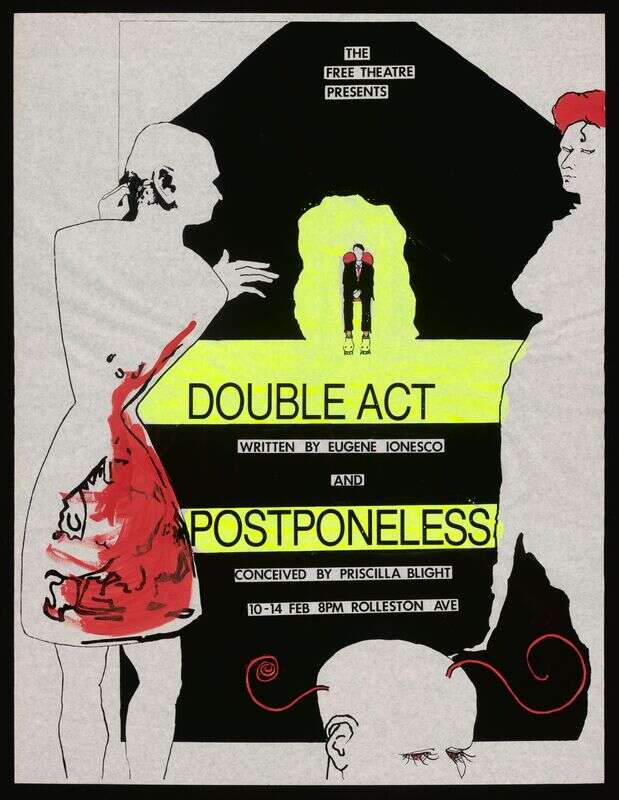
This poster was designed by Priscilla Blight for two productions in 1987;
Image courtesy of the Free Theatre in Christchurch.
The National Library of New Zealand recognises the value of ephemera and includes it under their Contemporary Voices and Archives curatorial collecting area in recognition of its role in building an inclusive collective memory that reflects Aotearoa New Zealand’s diverse cultural identities and expressions.
Their Ephemera Collecting Plan is a valuable reference for organisations looking to better understand how ephemera fits within a broader collecting strategy, outlining priorities, scope and principles for collecting ephemera at scale and insights into how short-lived materials contribute to the national documentary heritage.
While not every collection operates at the national level, the Ephemera Collecting Plan policy provides a useful framework when thinking about
- What to collect
- Why it matters
- How to balance access and preservation
- And how ephemera supports research both now and in the future.
The Preservation Challenge
As ephemera was not designed to last, it often arrives in archival collections in compromised condition. Items may be folded, stapled, taped, annotated, or printed on low-quality paper. Before being accessioned, material may have been passed through multiple hands, pinned to noticeboards, or stored in less-than-ideal environments.
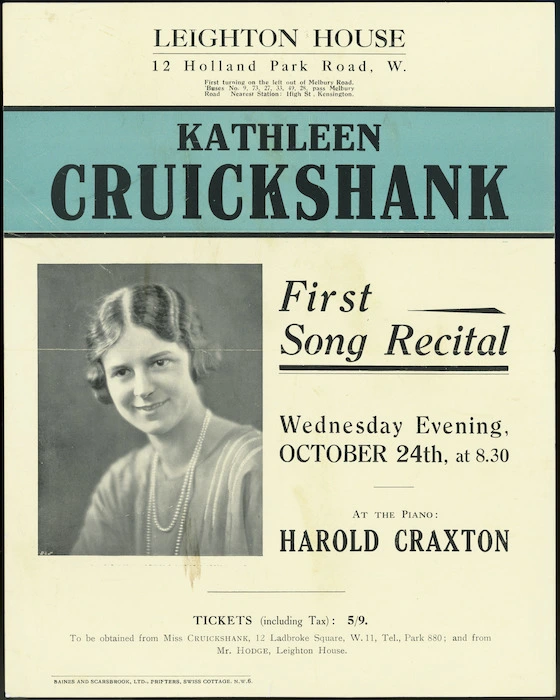
A flier advertising a recital by Kathleen Cruickshank, by Baines & Scarsbrook Ltd, in the year 1923.
Reference: Eph-B-MUSIC-GB-1923-0, Alexander Turnbull Library collections, National Library of New Zealand.
Once in a collection, ephemera can also be difficult to manage, and archivists and curators face key questions such as:
- Is this item ephemera or a short-term publication?
- How should it be housed to prevent further deterioration?
- What level of description is required to make it discoverable?
- How can access be provided without accelerating physical damage?
These challenges are compounded when collections are heavily used. Ephemera is often among the most requested material, precisely because it captures unique, localised moments in time.
Working Closely with Collections and Communities
At NZMS, we regularly receive enquiries about digitising ephemera – from institutions, community organisations and individuals managing family or personal collections. These projects usually need a degree of special collaboration before we can start the work and, in many cases, our digitisation experts will need to confirm a range of details, including:
- The level of custom file naming, metadata and possible transcription to improve long-term usability.
- Preferences on final images to preserve a sense of the original item, such as maintaining a 2-page spread in a brochure, rather than delivering single pages.
- Advice on conservation enclosures and storage.
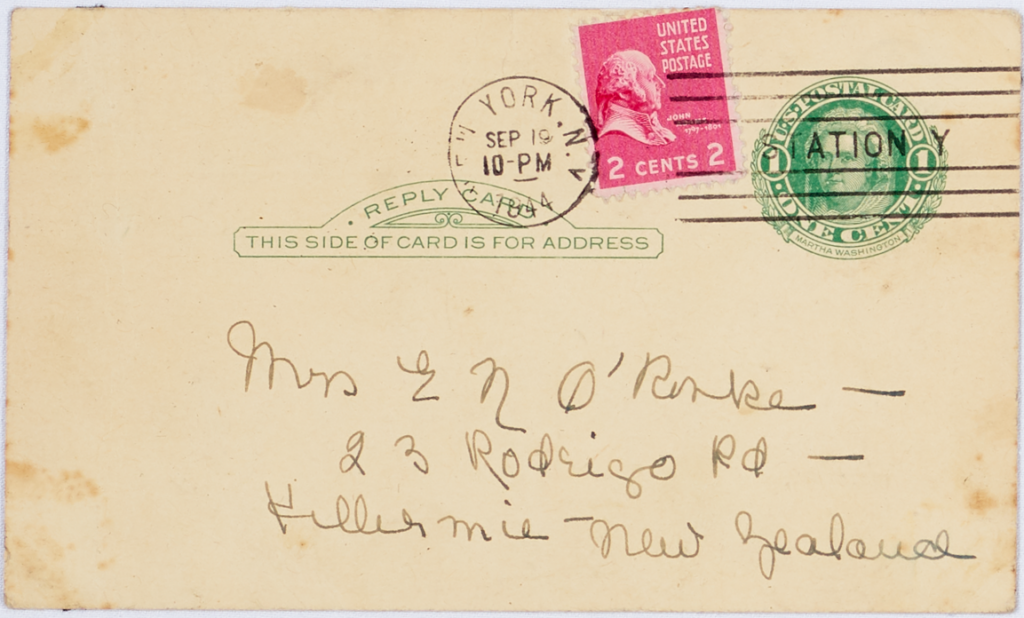
Image courtesy of NZMS.
Our goal is always to ensure material is not only digitised but also done so in a way that respects its context and future use. Ephemera captures moments that were never meant to be permanent, and that is precisely what makes it so valuable.