Editor’s note: NZMS Founder Andy Fenton recently attended the PLNZ National Forum 2026. These reflections draw on conversations & themes that strongly resonate with NZMS’ ongoing work across the library & information sector.
Collaboration and advocacy were strong themes at PLNZ Forum 2026. That isn’t unusual for a library conference – but this year those themes carried extra weight. They sat against a backdrop of ongoing central government funding cuts, international economic headwinds, and the steady divestment of responsibilities and resources from central to local government. In that context, ensuring the value of libraries is clearly articulated – and easily discoverable by those who influence funding and support – feels not just important, but urgent.
I left the forum motivated to help with that work – as Founder of NZMS, and Recollect working alongside libraries, archives and cultural organisations across Aotearoa gives me a unique perspective on the growing importance of advocacy across the sector.
As a sector, we are very good at advocating to ourselves. But as Denise Wilson and I discussed in her Let’s Talk Libraries podcast, advocacy must increasingly land beyond our own walls. We need to discover – and enact – ways to deliver our messages to those who don’t already agree with us, or are too busy to listen.
That urgency is heightened by a disturbing global trend: libraries and librarians being misrepresented or attacked by loud, coordinated and very well-funded minorities, including accusations that have no basis in reality and no place in civil discourse. In that climate, thoughtful, values‑based advocacy is not optional. It is essential.
The Power of Story: The Librarians Film
A powerful moment early in the conference was the screening of The Librarians film/documentary. I had recently spoken about the film with Denise Wilson, but I hadn’t realised PLNZ had secured screening rights. Seeing it with colleagues was both shocking and affirming.
The film, and later hearing directly from school librarian Martha Hickman, who features in the film, reinforced for me the opportunity this documentary presents. Not as a rallying cry within our own sector – but as a way of showing others what libraries contribute to society and democracy.
In particular, it offers a way to engage councillors and senior local authority managers who are tasked with delivering community outcomes yet may not always see libraries as strategic assets or a powerful reflection of the values of the community they serve. This isn’t about importing overseas culture wars into Aotearoa. It’s about highlighting what some organised groups actively oppose: the quiet, everyday good that libraries – especially school libraries – bring to communities.
That’s a significant and perhaps uncomfortable idea, and it deserves careful digestion. There’s a risk we rush past it without doing the work needed to translate insight into action.
The Good News We Don’t Tell Enough
For me, the most energising sessions at PLNZ National Forum 2026 were the regional roundups. Short, sharp presentations from PLNZ regional leads, filled with stories of local initiatives, partnerships, and programmes that made real differences in people’s lives. Many of these themes strongly resonate with NZMS’s work supporting knowledge institutions and community-focused organisations across New Zealand
There were so many examples of libraries responding creatively to local needs. It was another highlight of the Forum. These are exactly the stories we need to be telling – clearly, consistently, and publicly.
Because here’s the thing:
“there isn’t a local authority in Aotearoa whose strategy doesn’t place community engagement near the top. Public libraries are routinely identified as critical community hubs, and community surveys consistently affirm strong public support.”
The Evidence Is There
PLNZ’s recent National Community Impact Survey reinforces this in concrete terms. With responses from more than 10,000 library users, it confirms public libraries as cornerstones of community wellbeing, learning, and digital inclusion. As PLNZ Chair Joann Ransom noted at the time, the survey gives councillors and local government leaders powerful, evidence‑based insight into how libraries improve lives.
And yet – too often – libraries are not treated as vote‑getters, nor as investments worth strong, vocal backing from senior management. That feels profoundly short‑sighted. If there’s any doubt about public appetite for libraries, all one needs to do is look at the opening of Te Matapihi ki te Ao / Wellington Central Library. More than 21,000 people visited in its opening period. Far more than the Hurricanes and Phoenix Super Rugby and Football teams drew combined over the same weekend. People value libraries. We need to help decision‑makers see that, too.
Advocacy as a Strategic Priority
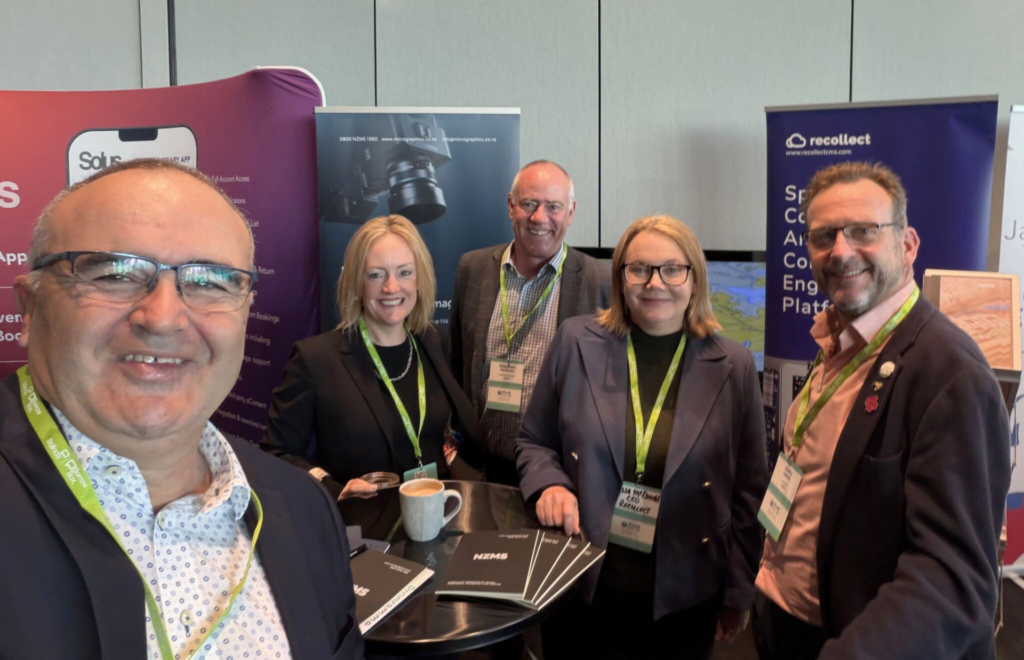
I was encouraged by PLNZ’s strategic planning session on the final day of the forum. Advocacy is clearly a priority, with plans to engage professional communications support to help give the association a stronger, more consistent voice – telling the stories of public libraries, responding effectively to media enquiries, and collaborating across the sector.
That direction feels crucial.
Those who know me know that community engagement – giving communities a voice – sits at the core of my values. It’s my kaupapa. The conversations at PLNZ resonated strongly with a recent Quads panel discussion I attended in Wellington, where Canada’s National Librarian and Archivist, Leslie Weir, quoted David Lankes:
“It’s not enough to be part of communities – we have to save our communities.”
Leslie, who is also President of International Federation of Library Associations and Institutions (IFLA) , added that we must find better ways to showcase what libraries and archives do for society. I couldn’t agree more. From an NZMS perspective, these conversations matter because we work closely with organisations across the library and information sector and see firsthand the increasing importance of demonstrating impact, value and community outcomes.
So, What Might We Do?
In a world saturated with mis‑ and disinformation, libraries and archives offer trust, safety, and genuinely safe public spaces. They provide social cohesion, social capacity, and social infrastructure -grounded in collections, stories, and shared knowledge.
It’s encouraging to see SLANZA – the School Libraries Association – exploring ways to build on PLNZ’s licensing of The Librarians film, particularly given its focus on school libraries. We know librarians – here and overseas – who have faced distressing and abusive behaviour simply for doing their jobs. That must be named and challenged. I would like to see us use this film deliberately, beyond our own member groups, as a positive advocacy tool:
- Could it be screened at NZIFF – our International Film Festival?
- Could we arrange public cinema screenings and invite community leaders and influencers to attend and speak?
- What other settings might it open constructive conversations about the value of libraries?
- How else can we tell our stories and demonstrate our impact more effectively?
An Afterthought: Why Reading Still Matters
Libraries are about far more than books – but reading remains foundational. Early childhood reading, in particular, is a gateway to almost everything else in life. That’s why the work of Aotearoa’s Te Awhi Rito Reading Ambassador matters so much. Promoting reading across whānau, communities, and sectors helps build not only literacy, but opportunity, agency, and belonging. The right to read – and the freedom to read – is a basic civil right, protected in legislation. No group, however loud, should be allowed to undermine that principle.
Your feedback, please
I’d welcome continued conversation about how we collectively tell the story of libraries – not just within our own sector, but with those who influence funding, policy, and public understanding. What advocacy approaches are working in your community? How are you engaging councillors, school boards, whānau, and senior leaders in meaningful ways? And where might we collaborate more intentionally to ensure libraries are recognised as essential social infrastructure?
If this piece sparks ideas, questions, or challenge, I encourage you to share them – publicly or privately – because the strength of our libraries, like our communities, depends on dialogue, trust, and collective action.
Noho ora mai / stay well,
Andy Fenton